
How Much Does Automatic Gate Automation Cost? A Simple Guide for UK Sites
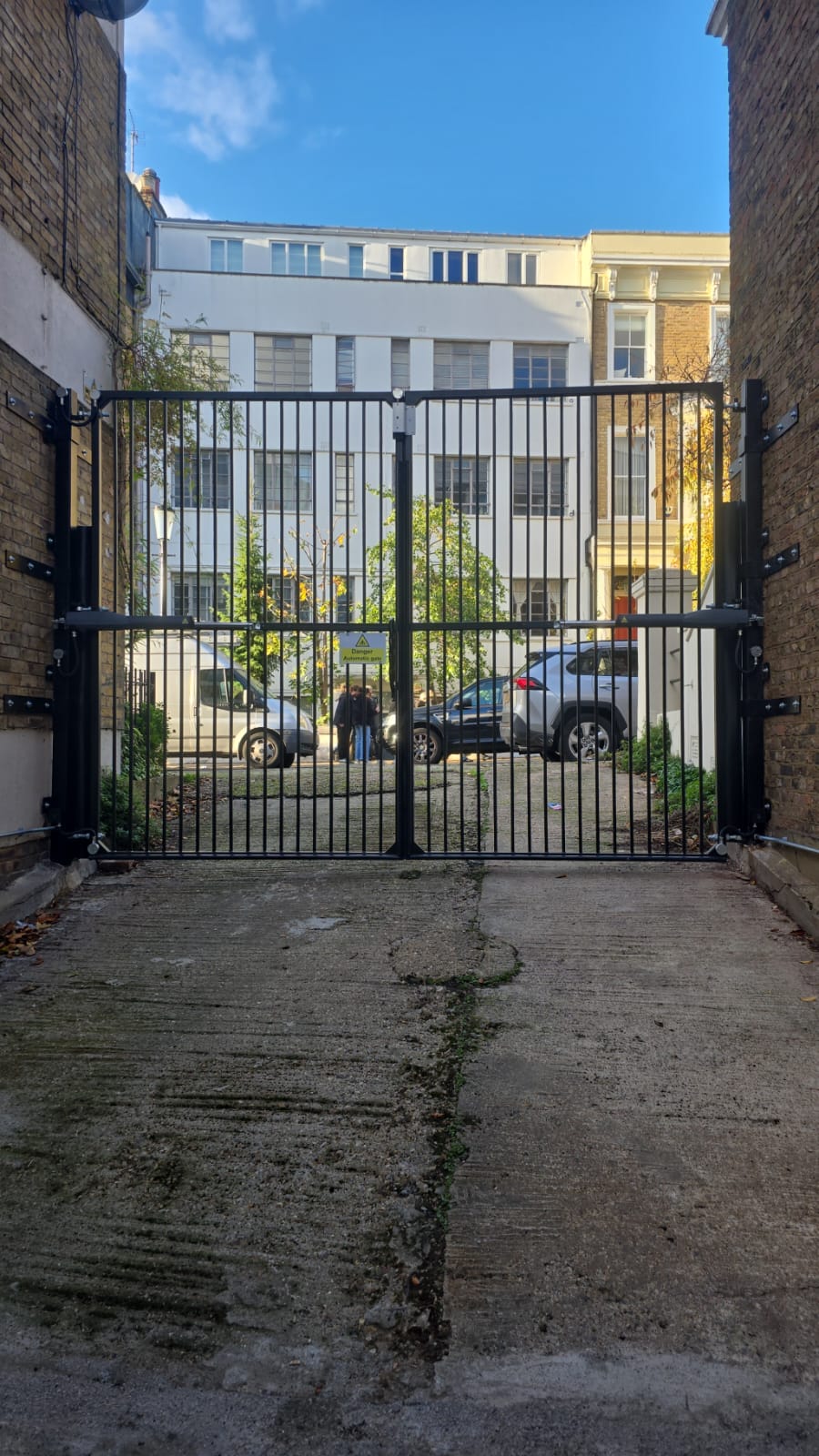
Automatic gate automation can improve security, control vehicle access and make a site easier to manage. However, the final cost depends on much more than the motor.
The gate itself, the ground conditions, the power supply, safety equipment and access control all affect the budget. A suitable existing gate may be automated with limited work. A new security gate installation may require foundations, posts, cabling, drainage and a complete control system.
This guide explains the main cost factors in plain English, so facilities managers, property managers, contractors, developers and homeowners can plan with greater confidence.
The Short Answer: Cost Depends on The Whole System
A straightforward project to automate an existing, suitable gate is often a low-thousands investment.
A new automated driveway or security gate usually costs more because it may include:
- A new gate and frame
- New gate posts or support structures
- Motors and control equipment
- Foundations and groundworks
- Power and data cabling
- Safety devices
- Keypads, fobs, intercoms or vehicle controls
- Testing, commissioning and handover
For larger commercial sites, bespoke security gates or difficult ground conditions, the cost can move into the higher thousands or low five figures.
These are broad planning figures rather than fixed prices. A proper site survey is needed before a reliable quotation can be prepared.
What Actually Drives The Price?
Gate Type And Size
The design and weight of the gate have a direct effect on the automation equipment required.
A lightweight aluminium gate may need less powerful equipment than a large steel, timber or reinforced security gate. Larger gates also place more load on hinges, rollers, posts and foundations.
The quote may increase where the gate is:
- Wide or unusually tall
- Heavy or solid rather than open-frame
- Exposed to strong wind
- Designed with decorative or bespoke features
- Used frequently throughout the day
- Required to provide a higher level of physical security
Material also matters. A lighter gate may reduce motor loading and ongoing wear. A heavier gate may require stronger motors, hinges, stops and structural supports.
The right question is not simply, “How much is the motor?” It is, “Can the complete gate system operate safely and reliably for the intended use?”

Sliding Or Swing Gates
Sliding and swing gates have different installation requirements.
A swing gate opens across a defined arc. It needs enough space behind or in front of the gate to move safely. Double-leaf gates also require two operators, coordinated control and correctly set closing positions.
A sliding gate needs space to travel sideways. It may require:
- A suitable track or cantilever arrangement
- Rollers and guide systems
- A strong foundation
- A rack fitted to the gate
- End stops and protection around moving parts
Sliding gates can be practical where a swing gate would obstruct a driveway or access road. However, the track, ground condition and side-run space need to be assessed carefully.
The number of leaves matters too. A single-leaf gate may need one operator. A pair of swing leaves normally needs two. This affects equipment, cabling, setting-up and testing.
New Gate Posts And Foundations Add Real Cost
New gate posts are more than decorative supports. They transfer the load of the gate and automation equipment into the ground or surrounding structure.
Where existing posts are unsuitable, a new installation may need:
- Steel or masonry gate posts
- Concrete foundations
- Reinforced bases for motor mounting
- Additional support for heavy leaves
- Drainage around the entrance
- Repairs to brickwork, paving or tarmac
- New stops and alignment points
Poorly supported posts can lead to movement, sagging and repeated faults. The gate may become difficult to align, causing unnecessary strain on the operators.
This is one reason a low initial price can become expensive later. If the structure is not right, replacing the motor will not solve the underlying problem.
Motor And Automation Kit
The motor or operator must match the gate’s size, weight, design and frequency of use.
A residential driveway gate used a few times each day has different requirements from a commercial entrance used continuously by staff, residents, deliveries and visitors.
The automation package may include:
- One or more gate operators
- Control panel
- Receivers and remote controls
- Limit switches or position sensors
- Manual release mechanisms
- Warning lights
- Battery backup, where appropriate
- Ancillary brackets, racks or underground housings
Underground operators can provide a neat finish, but they may require additional excavation, drainage and access for future maintenance. Surface-mounted operators can be easier to inspect and service, but the final appearance and protection from impact need to be considered.
A suitable professional system should provide enough capacity without being unnecessarily oversized. The aim is controlled movement, reliable operation and manageable servicing.
Safety Systems Are Essential
Safety equipment is a core part of automatic gate automation. It should not be treated as an optional extra added at the end of the quotation.
Depending on the gate and site, safety measures may include:
- Photocells or photo beams to detect people, vehicles or objects
- Safety edges to detect contact at vulnerable points
- Force limitation and force testing
- Warning lights or audible indicators
- Emergency stop controls
- Manual release arrangements
- Protection around pinch, crush and shear points
The correct safety design depends on the gate’s movement, nearby walls, pedestrian routes, visibility and site use. A commercial entrance may need a more detailed assessment than a private driveway.
Safety systems also need to be tested and maintained. A photocell that has moved out of alignment or a damaged safety edge can affect how the gate operates.
Access Control And Intercom Integration
Many projects include more than remote controls.
Automatic gates can be linked to:
- Video or audio intercoms
- Keypads
- Proximity readers
- Vehicle tags
- Smartphone access
- Existing access control
- CCTV or security management systems
- Automatic number plate recognition systems
A simple keypad may be suitable for a private property or small managed site. A multi-occupancy development may need named users, controlled permissions and an intercom connected to individual apartments.
Integration affects the price because it may require additional equipment, software, network connections and cabling. It can also involve coordination with existing systems.
For a managed site, the value is usually in control and accountability. The right people can gain access without issuing large numbers of physical keys or relying on shared remote controls.
Power Supply And Cabling
An automatic gate needs a dependable power supply. This may be one of the most overlooked parts of the budget.
Costs can be affected by:
- Distance from the main building or distribution board
- Trenching across a driveway or road
- Ground type
- Existing ducts
- Cable protection requirements
- Position of the control panel
- Need for network or intercom cabling
- Repairs to paving, tarmac or concrete
Some installations also need a data connection for video intercoms, remote management or access control integration.
Where the gate is far from the building, the cable route can become a significant part of the work. It is usually better to plan this at the design stage rather than add cables after the gate has been installed.

Automating An Existing Gate Or Installing New?
Automating An Existing Gate
Automating an existing gate may be cost-effective where the gate is:
- Structurally sound
- Correctly aligned
- Suitable for motorisation
- Supported by strong hinges or rollers
- Free from excessive rust or damage
- Positioned on a suitable foundation
The installer may still need to modify the gate, add stops, improve the posts or carry out local groundworks.
A manual gate that drags, sags or catches should not simply have a motor fitted. Automation can make an existing mechanical problem worse.
Installing A New Automated Gate
A new installation provides more control over the complete system. The gate, posts, foundations, motors, safety devices and access equipment can be designed together.
This is usually the better option where:
- The existing gate is too heavy or weak
- Posts are unstable
- The gate opening is poorly configured
- A different sliding or swing arrangement is required
- Security requirements have changed
- The entrance needs to support frequent commercial use
New gate posts and foundations may increase the initial cost, but they can provide a more reliable base for the system and reduce future adjustments.
Why Cheap Automation Can Cost More Long Term
The cheapest equipment is not always the lowest-cost solution over its working life.
Budget systems may have limitations around:
- Duty cycle
- Weather resistance
- Spare parts availability
- Safety device compatibility
- Access control integration
- Future servicing
- Manufacturer support
A system that fails regularly can create call-out costs, disruption and inconvenience. On a commercial site, a failed entrance can also affect deliveries, residents, staff and visitors.
A better approach is to compare the complete proposal. Check what is included for safety, foundations, power, commissioning, documentation and aftercare.
Reliable equipment. Correct installation. Planned maintenance.
That combination usually provides better long-term value than choosing a low equipment price in isolation.
Ongoing Servicing Should Be Part Of The Budget
Automatic gates contain moving mechanical and electrical parts. Regular servicing helps identify wear before it becomes a failure.
A service may include:
- Inspection of hinges, rollers and tracks
- Checks on posts, fixings and stops
- Motor and control panel checks
- Safety device testing
- Force testing where required
- Lubrication and adjustment
- Inspection of cables and connections
- Manual release checks
- Review of access control equipment
Domestic systems are often serviced annually. Commercial and high-use gates may need a more frequent schedule.
Routine maintenance is particularly important for gates exposed to weather, road dirt, heavy traffic or repeated daily cycles. A clear maintenance plan supports continuity and makes future costs easier to manage.
What A Good Quote Should Include
Before comparing prices, check whether each quotation covers the same scope.
A clear automatic gate automation quote should identify:
- Gate type, dimensions and material
- Number of leaves
- New or existing gate arrangements
- New gate posts and foundations
- Groundworks and drainage
- Motor and control equipment
- Safety edges, photocells and testing
- Power and data cabling
- Access control or intercom integration
- Commissioning and handover
- Warranty and servicing options
- Exclusions and possible additional works
This makes the decision clearer. It also reduces the chance of unexpected costs during installation.
For wider market context, published UK guidance such as Checkatrade’s electric gate installation cost guide and Rolling Center’s automated gate FAQ also highlight the importance of gate size, materials, power supply, groundworks and maintenance.
Plan The Entrance As A Complete System
Automatic gate automation is not just a motor fitted to a gate. It is a complete entrance system made up of structure, movement, power, safety and access control.
OneStop provides automated gates and integrated security solutions for commercial and residential sites, including new installations, automation upgrades, access control and ongoing support.
A site survey allows the requirements to be assessed properly. It can confirm whether the existing gate is suitable, whether new gate posts are needed, where cables should run and which safety systems are appropriate.
To discuss a project, send the requirements to OneStop. The next step is a practical review of the entrance, the intended use and the level of control required.