
Automatic Gate Servicing: Why Planned Maintenance Protects Your Entrance
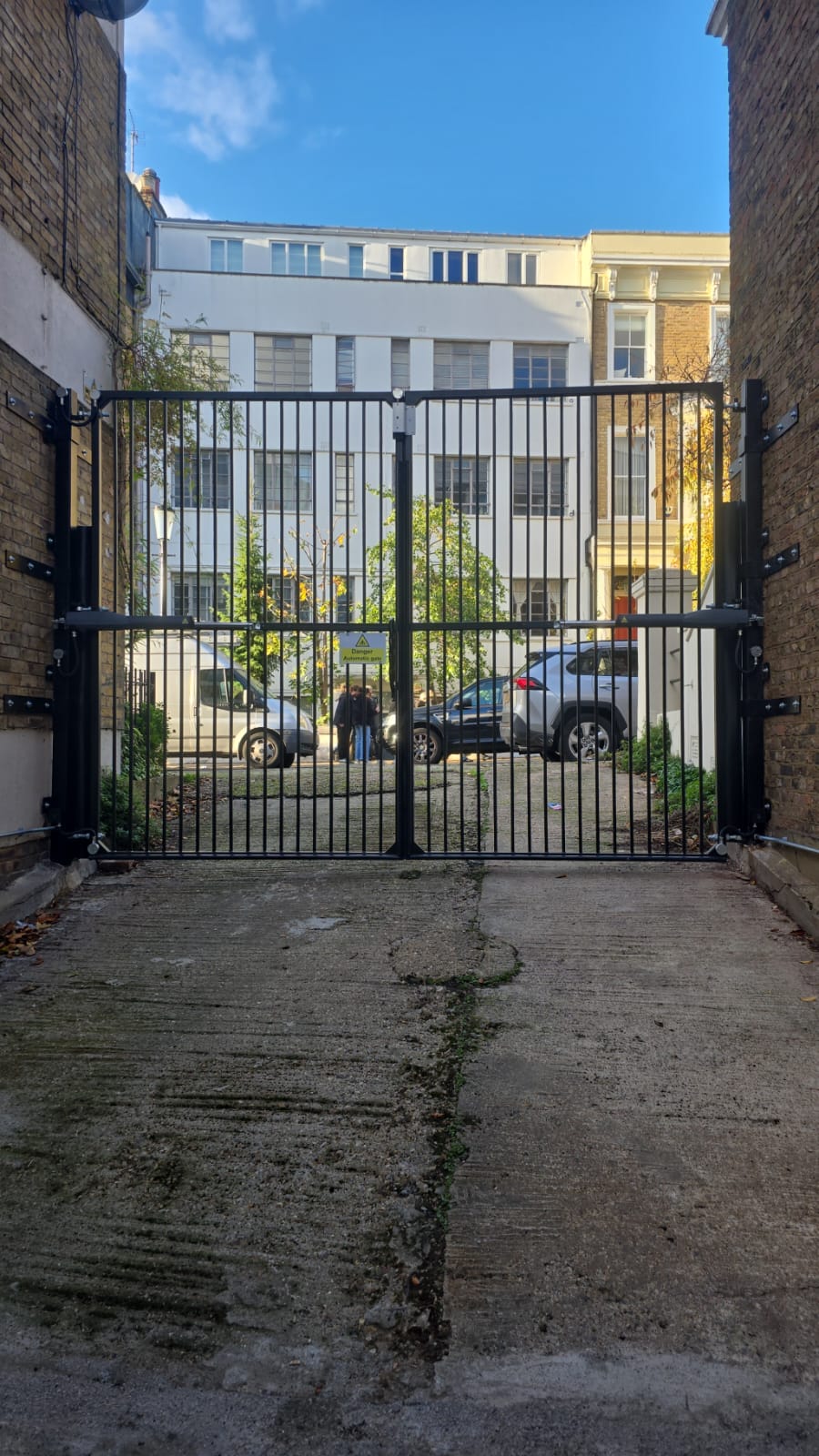
An automatic gate is more than a barrier at the edge of a property. It is a working entrance system that combines mechanical movement, electrical controls, safety devices and often access control or intercom equipment.
Like fire alarm maintenance, automatic gate servicing works best when it is planned. Regular visits help identify wear early, maintain safe operation and reduce the chance of an unexpected failure affecting access to the site.
For facilities managers, property managers and homeowners, the principle is straightforward:
Planned maintenance protects access, security and operational continuity.
Automatic Gates Carry A Working Load
Every opening and closing cycle places demand on the gate structure and its automation equipment.
Hinges, rollers, brackets, drive arms, chains and other moving parts gradually wear. Motors work harder when a gate becomes stiff or misaligned. Control panels and electrical connections are exposed to weather, moisture and temperature changes. Safety devices can move out of alignment or become obstructed by dirt, vegetation and accidental impact.
Ground settlement can also affect the entrance over time. A small change in the level of a driveway, track or gatepost may cause the leaves of a swing gate to drag, or a sliding gate to bind. The system may continue to operate for a while, but the additional strain can shorten the life of key components.
A planned service gives an engineer the opportunity to inspect the complete system rather than waiting for one visible fault to develop.

Small Issues Become Larger Disruptions
Many gate faults develop gradually.
The gate may begin to close more slowly. A motor may sound different. A hinge may become stiff. An intercom may work intermittently. A photocell may need repeated resets. These signs are easy to overlook when the entrance is still operating.
However, continued use can turn a minor adjustment into a larger repair. A motor that is repeatedly working against poor alignment may eventually fail. A worn hinge can place additional pressure on the gate frame and operator. A damaged cable or loose connection may affect more than one part of the system.
Reactive callouts also tend to happen at the least convenient time. A gate that will not open can delay deliveries, prevent vehicle movements or restrict access for residents, visitors and emergency contractors. At a commercial site, the disruption may affect staff, tenants, customers and site security at the same time.
Planned visits provide control before the problem becomes urgent.
Safety Devices Need Regular Testing
Automatic gates are powered moving equipment. Their safety systems must operate correctly every time the gate moves.
A service visit should include testing the devices that help prevent the gate from continuing to close when a person, vehicle or object is detected. Depending on the installation, this may include:
- Photocells and photo beams
- Safety edges
- Vehicle detection loops
- Obstacle detection
- Automatic stop and reverse functions
- Manual release mechanisms
- Warning lights and audible indicators
These components can drift out of alignment, become dirty or suffer damage from vehicles and weather. A photocell may look intact but still require adjustment. A safety edge may be compressed or damaged without being immediately obvious.
Testing should be carried out by a competent engineer and recorded clearly. The results can support the site’s wider risk management process and help confirm that the gate remains suitable for continued use.
The Health and Safety Executive’s guidance on maintaining work equipment explains the importance of keeping equipment maintained so it remains safe to use. Automatic gate arrangements should also be considered alongside manufacturer instructions, site procedures and the specific risks of the entrance.
What A Good Service Visit Includes
A proper automatic gate servicing visit should assess the complete entrance, not just the motor.
The exact checklist will depend on the gate type, usage and installation. In general, a service should include the following areas.
Alignment And Structural Condition
The engineer checks the gate leaves, posts, tracks, hinges, rollers and brackets for movement, damage, corrosion and alignment.
The gate should move freely without dragging, twisting or placing unnecessary strain on the operator. Sliding gates should have a clear track and correctly positioned rollers. Swing gates should open and close within their intended travel limits.
Settlement, impact damage and loose fixings should be noted and addressed before they create further wear.
Motors And Control Panels
The operator or motor is checked for smooth operation, unusual noise, heat build-up and signs of excessive load.
The control panel is inspected for secure connections, moisture ingress, damage and correct operation. Settings such as travel limits, opening and closing times and force levels may be reviewed where appropriate.
This is particularly important for older systems or gates that have been altered over time. An installation may include replacement motors, additional controls or new access equipment that needs to work together correctly.
Lubrication And Moving Parts
Hinges, rollers, bearings, chains and other manufacturer-approved components are lubricated where required.
Lubrication is not a substitute for repair. It should support smooth operation while the engineer checks for worn, damaged or incorrectly adjusted parts. Using the correct lubricant is also important, as unsuitable products can attract dirt or damage certain components.
Safety Device Testing
Photocells, safety edges, loops and obstacle detection are tested under operating conditions.
The engineer should confirm that the gate stops or reverses as intended and that devices are correctly positioned. The emergency or manual release should also be checked so the gate can be operated safely if power or automation is unavailable.
Batteries And Backup Power
Where a system has a battery backup, the battery condition, charging circuit and changeover operation should be checked.
Backup arrangements are useful during power interruptions, but they must be maintained to remain dependable. The service should also confirm that any battery enclosure, power supply or associated wiring is secure and protected from the environment.
Access Control And Intercoms
Automatic gate automation often forms part of a wider entrance system.
A service visit should review keypads, fobs, remote controls, vehicle detection, GSM units, video intercoms and other access devices connected to the gate. The engineer can confirm that authorised users can gain access, that the gate releases correctly and that the intercom or communication route operates as expected.
This joined-up approach is important on commercial sites, residential developments and controlled car parks. A gate may be mechanically sound but still create an access problem if the connected intercom or control equipment is unreliable.

How Often Should Automatic Gates Be Serviced?
There is no single schedule that suits every gate. Frequency should reflect usage, environment, gate design, security requirements and the consequences of failure.
Residential Gates
A lightly used residential gate may be suitable for an annual service. This is a sensible baseline for a gate used a few times each day, particularly where it is exposed to rain, dirt, coastal air or overhanging vegetation.
A gate serving several homes, a shared driveway or a busy private development may need servicing twice a year. Higher usage creates more wear, even when the system appears to be working normally.
Commercial And Managed Properties
Commercial gates generally need a more structured approach. Vehicle entrances at offices, industrial units, schools, retail premises, construction sites and residential developments may operate many times each day.
Quarterly servicing is often appropriate for busy or security-critical entrances. Some sites may need more frequent checks, particularly where the gate supports continuous vehicle movement or access to a critical facility.
The right schedule should be agreed after reviewing the installation and its operating conditions. A competent provider can recommend a practical frequency rather than applying the same plan to every site.
Add The Gate To Your Existing Maintenance Plan
Gate servicing should sit within the property’s wider planned maintenance schedule.
For facilities managers and property managers, this may mean aligning gate visits with other planned works such as:
- Fire alarm maintenance
- CCTV servicing
- Access control inspections
- Automatic door maintenance
- Electrical checks
- Barrier and bollard servicing
- Intercom and door-entry testing
A combined schedule can reduce administration, coordinate site access and provide a clearer record of completed work. It also helps identify connections between systems. For example, a gate may share network infrastructure, power supplies or access permissions with other security equipment.
Keep a simple record for each entrance, including:
- Gate type and operator details
- Manufacturer and model information
- Date of each service
- Safety tests completed
- Faults or wear identified
- Recommended remedial works
- Next planned service date
Clear records support informed budgeting and make future visits more efficient. They also provide useful evidence when a site has multiple entrances or different equipment ages.
Planned Maintenance Is Easier To Manage
The purpose of automatic gate servicing is not to create unnecessary work. It is to make the entrance more predictable.
Planned maintenance helps spot early wear, confirm safety functions and keep the gate operating as intended. It can reduce emergency callouts, avoid avoidable downtime and extend the useful life of the equipment.
For homeowners, that means dependable daily access and fewer unexpected faults. For commercial sites, it means better control of operational risk and less disruption for staff, tenants, visitors and deliveries.
OneStop provides automated gate services, maintenance support and integrated entrance solutions for commercial and residential properties. Gates can be assessed alongside access control, intercoms, CCTV, doors, bollards and other connected systems.
To discuss an existing gate, a new service schedule or recurring access problems, send OneStop your requirements. The next step is a clear review of the entrance, its usage and the maintenance support needed to keep it ready.